
Top 8 Chinese/Japanese Spots in Brooklyn

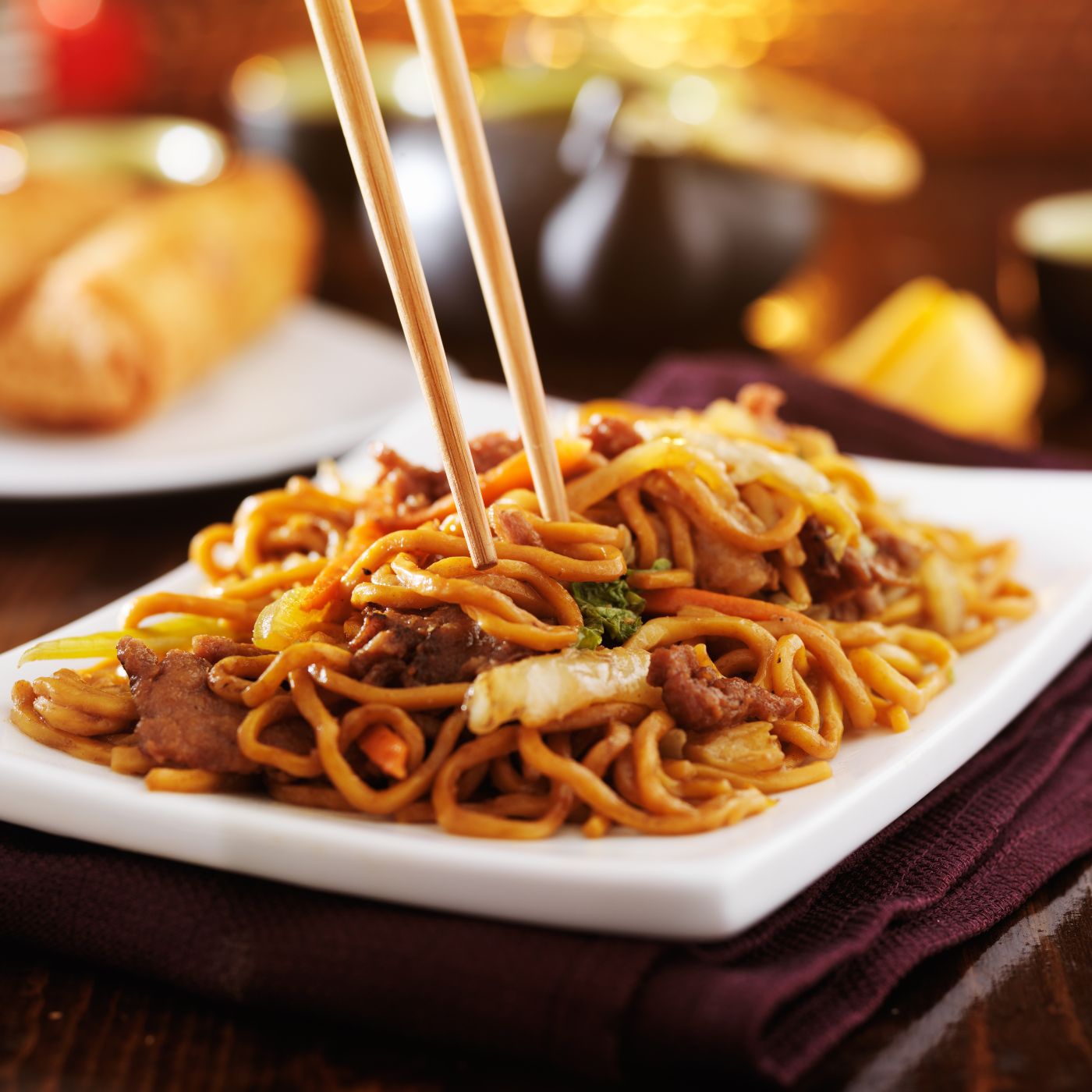
Top 8 Chinese/Japanese Spots in Brooklyn
Beyond the Borough Line: Mastering the Gastronomic Crossroads of Japanese and Chinese Cuisine in Brooklyn
For those who view food as a passport, Brooklyn’s diverse dining scene offers an unparalleled journey across continents. Specifically, when exploring the vibrant intersection of East Asian culinary traditions—the deeply comforting spice of Sichuan noodles meeting the pristine delicate balance of Kyoto-style sashimi—Brooklyn proves itself to be a veritable gastronomic nexus. This is not simply about finding a meal; it is about experiencing a rich tapestry of history, meticulous technique, and cultural homage. We have meticulously compiled an official database reflecting the vibrant pulse of this culinary landscape, giving readers who seek authentic, elevated experiences a definitive guide.
The sheer breadth of Asian cuisine represented here is staggering. It demands that the diner approach the experience with intellectual curiosity, understanding that “Chinese food” or “Japanese food” are vast umbrella terms under which hundreds of regional dialects and specialized culinary practices fall. A journey through Brooklyn’s establishments requires recognizing this nuance. One evening you might be immersed in the robust, complex flavors of Hakka-style cooking, only to find yourself hours later savoring the delicate artistry of Edomae sushi—a single point of contrast that defines the sophistication of the neighborhood.
What makes Brooklyn so uniquely positioned as a culinary destination for these specific traditions? It’s the convergence of historical immigration patterns and modern American culinary innovation. The community has preserved authentic methods and tastes while simultaneously adapting them to meet the palate of a global, adventurous diner base. From hidden basement noodle joints that have served generations to Michelin-level dining rooms perfecting molecular gastronomy within traditional frameworks, Brooklyn masters both preservation and reinvention.
The Defining Flavors: A Comparative Journey
When considering Chinese cuisine in this borough, the experience is often marked by incredible variety. Are you drawn to the bold spice of a Hunan dish? The elegant steaminess of Cantonese dim sum, designed for shared communal pleasure? Or perhaps the deeply fermented depth of Sichuan peppercorn preparations? Each style communicates a different emotional texture and culinary narrative.
Contrast this with Japanese gastronomy, which is often defined by the concept of shun (seasonality) and *umami*. The focus here is frequently on purity—allowing the inherent flavor of premium ingredients to shine. Whether it’s the flawless precision of a Tokyo-style ramen broth that takes days to perfect, or the visual poetry of seasonal sushi cuts, the guiding principle remains respect for the source material. In Brooklyn, these traditions coexist in harmony, allowing diners to toggle seamlessly between rich, communal sharing plates and solitary acts of deep, meditative culinary focus.
The collective result is a dining scene that serves not merely sustenance, but narrative. You are eating stories—stories of migration, resilience, refinement, and the eternal pursuit of flavor perfection. For the local foodie or the visiting gourmand alike, this convergence makes it one of the most thrilling food markets in the United States.
Local Food Scene Trends: What to Look For
To navigate Brooklyn’s complex gastronomic landscape like a seasoned pro, keep these modern trends in mind. They are indicators that you are discovering contemporary excellence:
- Hyper-Specialization: Move beyond general ‘Chinese’ or ‘Japanese.’ Look for restaurants specializing in single areas (e.g., dedicated regional ramen styles like Tonkotsu, or specific Chinese provincial cuisines like Yunnan). This commitment to niche authenticity is a sign of mastery.
- Sustainability & Sourcing Transparency: Elite establishments are increasingly transparent about their sourcing—where the fish came from, the lineage of the noodles, and the local farming practices for ingredients. Ask questions!
- Fusion with Intent: Unlike haphazard fusion attempts, the best spots blend cuisines *intentionally*. For example, using Korean BBQ techniques on traditionally Japanese cuts of meat, or incorporating regional Italian pasta shapes into Chinese braised dishes—the marriage must make sense conceptually.
- Elevated Casual Dining Experience: The pinnacle of Brooklyn dining doesn’t always require white tablecloths. Many of the most exciting culinary experiences are found in highly intimate, standing-room, counter-style settings that prioritize interaction and immediate flavor exposure.
The overall vibe is one of passionate expertise, a true marriage between heritage practice and cutting-edge dining theory.
Expert Culinary Insights: Navigating the Noodle Bowl to the Nigiri
What is the difference between ‘Hot Pot’ and ‘Shabu-Shabu’? (A necessary etiquette question)
This is a common point of confusion. Both are communal boiling experiences, but they differ significantly in purpose and immersion. Hot Pot (specifically Chinese styles) often uses flavorful broth with dipping sauces designed to pair with varied ingredients (meat, tofu, vegetables). It’s about the robust flavor infusion into the liquid itself. Shabu-Shabu (Japanese style) is meant to be a lighter, more delicate experience where you barely dip the protein/vegetables into the simmering broth—the focus is on briefly cooking fresh, high-quality ingredients while minimizing disruptive flavors, allowing the clean taste of the raw food to shine.
Decoding Chinese Dialects on a Menu (Sichuan vs. Cantonese)
Knowing the dialect represented can fundamentally change your expectation of flavor. Cantonese cuisine is often described as more delicate, relying heavily on fresh seafood and steaming techniques that preserve natural flavors (think dim sum). In contrast, Sichuan cuisine is defined by its bold, addictive flavors—the characteristic ‘mala’ sensation, which involves the electric numbness of Sichuan peppercorn paired with intense chili heat. They are two vastly different emotional experiences on the palate.
The Etiquette of Ordering Dim Sum (What you need to know)
Dim sum is designed for sharing, which means pace yourself and be collaborative. Most dishes are meant to complement one another—a steamed dumpling might follow a savory baked bun, which in turn pairs with crystal clear soup. Don’t feel obligated to order everything! Start by letting your tablemates guide the initial selection while keeping an eye out for unique regional specialties that haven’t been tried yet.
The depth of culinary knowledge required to navigate this dual-pillar cuisine is immense, but it is profoundly rewarding. The presence of eight verified, active establishments speaks volumes about the established quality and ongoing vibrancy of these culinary traditions in Brooklyn. Whether you are pursuing a quintessential Tokyo ramen experience or exploring a deep dive into Sichuan peppercorn spice, your search for authentic excellence ends here.
We encourage readers to approach this landscape not just as tourists on a food adventure, but as students. Engage with the history of the dishes, ask about the sourcing process, and treat each meal as an education. Brooklyn’s commitment to preserving and evolving these Asian culinary arts ensures that your taste buds will be delighted for years to come.
Explore Other Amazing Options
Discover more curated guides across Brooklyn:
Chinese/Japanese in Other Areas
If you are near Brooklyn, these nearby locations are also worth exploring:
| Destination | Distance | What to Explore |
|---|---|---|
| Manhattan | Approx. 7 miles | View Chinese/Japanese in Manhattan |





Rate a business above:
Your opinion helps other people make better decisions.
Keywords for Your Next Internet Searches
chinese/japanese in Brooklyn, best chinese/japanese in Brooklyn, top rated chinese/japanese near Brooklyn, chinese/japanese near me in Brooklyn, Brooklyn chinese/japanese guide, affordable chinese/japanese in Brooklyn, family friendly chinese/japanese in Brooklyn, chinese/japanese recommendations in Brooklyn, where to find chinese/japanese in Brooklyn, Brooklyn local chinese/japanese, popular chinese/japanese spots in Brooklyn, chinese/japanese directory Brooklyn, verified chinese/japanese in Brooklyn, chinese/japanese reviews Brooklyn, Brooklyn guide to chinese/japanese, explore chinese/japanese in Brooklyn, chinese/japanese listings Brooklyn, top chinese/japanese establishments in Brooklyn, Brooklyn chinese/japanese recommendations, discover chinese/japanese in Brooklyn, chinese/japanese spots near Brooklyn, best rated chinese/japanese in Brooklyn, Brooklyn business guide chinese/japanese, chinese/japanese near Brooklyn today, complete chinese/japanese list for Brooklyn
Fansway Teriyaki & Sushi in Brooklyn, Kung Fu in Brooklyn, Flaming Grill Buffet in Brooklyn
Jin Jin Hong Kong Cafe in Brooklyn, China Tokyo Restaurant in Brooklyn, Empire Teishokuya in Brooklyn
Toyama Cuisine in Brooklyn, Masake in Brooklyn


