The Definitive Guide to Dental Clinic Construction in NYC
Executive Summary: A definitive guide to building Dental Clinics in New York City. Covers NYC DEP Amalgam Separator compliance, Radiation Shielding for CBCT, Medical Gas plumbing, and financial planning for dental practices.



The Definitive Guide to Dental Clinic Construction in NYC
Constructing a dental practice in New York City is a specialized engineering challenge. Unlike general medical offices, dental clinics require extensive “wet” infrastructure, high-voltage electrical systems for digital imaging, and strict compliance with the NYC Department of Environmental Protection (DEP).
Whether you are building a boutique practice in SoHo or a multi-specialty center in Queens, the plumbing and electrical requirements often constitute over 50% of your construction budget. Mismanaging the location of the “Umbilical” (the connection point for water, air, and data to the chair) by even a few inches can render an operatory unusable.
Phase 1: Project Expenses (Soft Costs)
Before construction, you must secure specific permits unique to dentistry.
Radiation Shielding & Physics
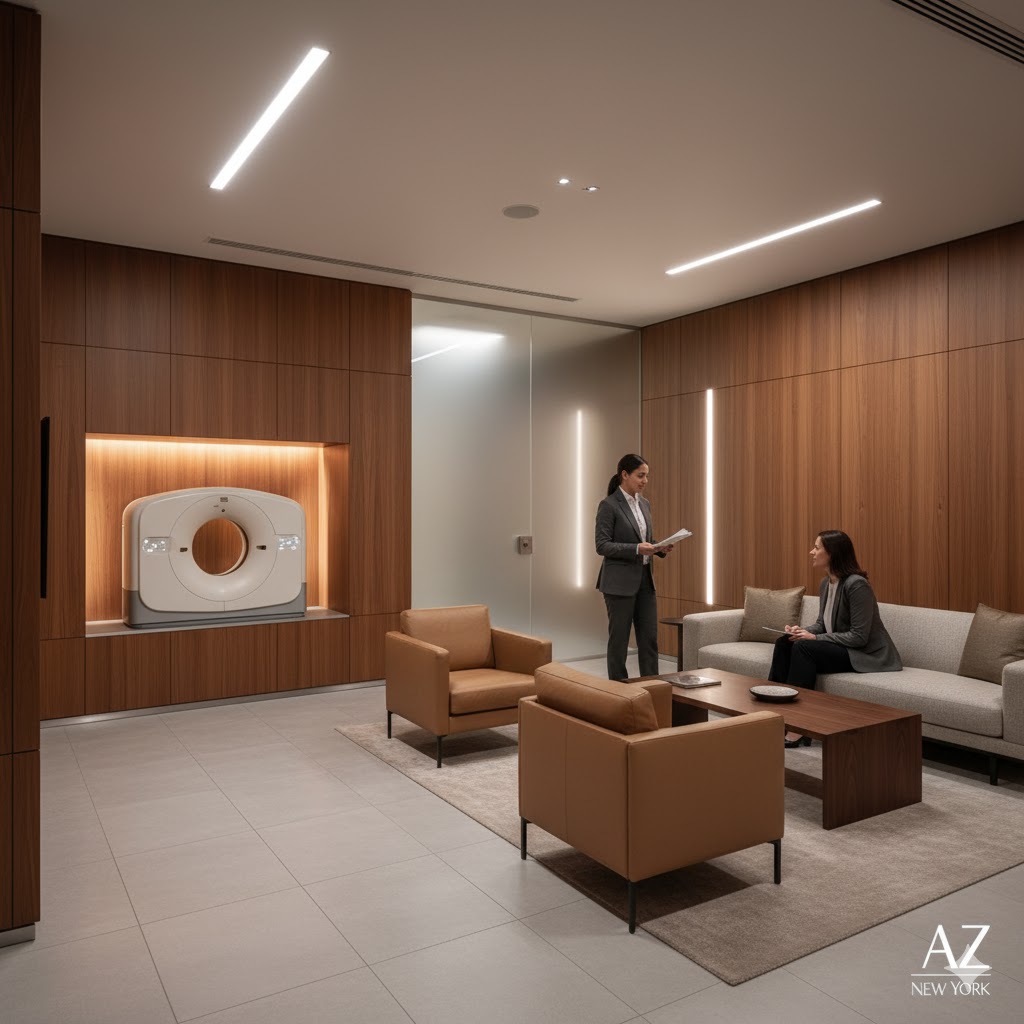
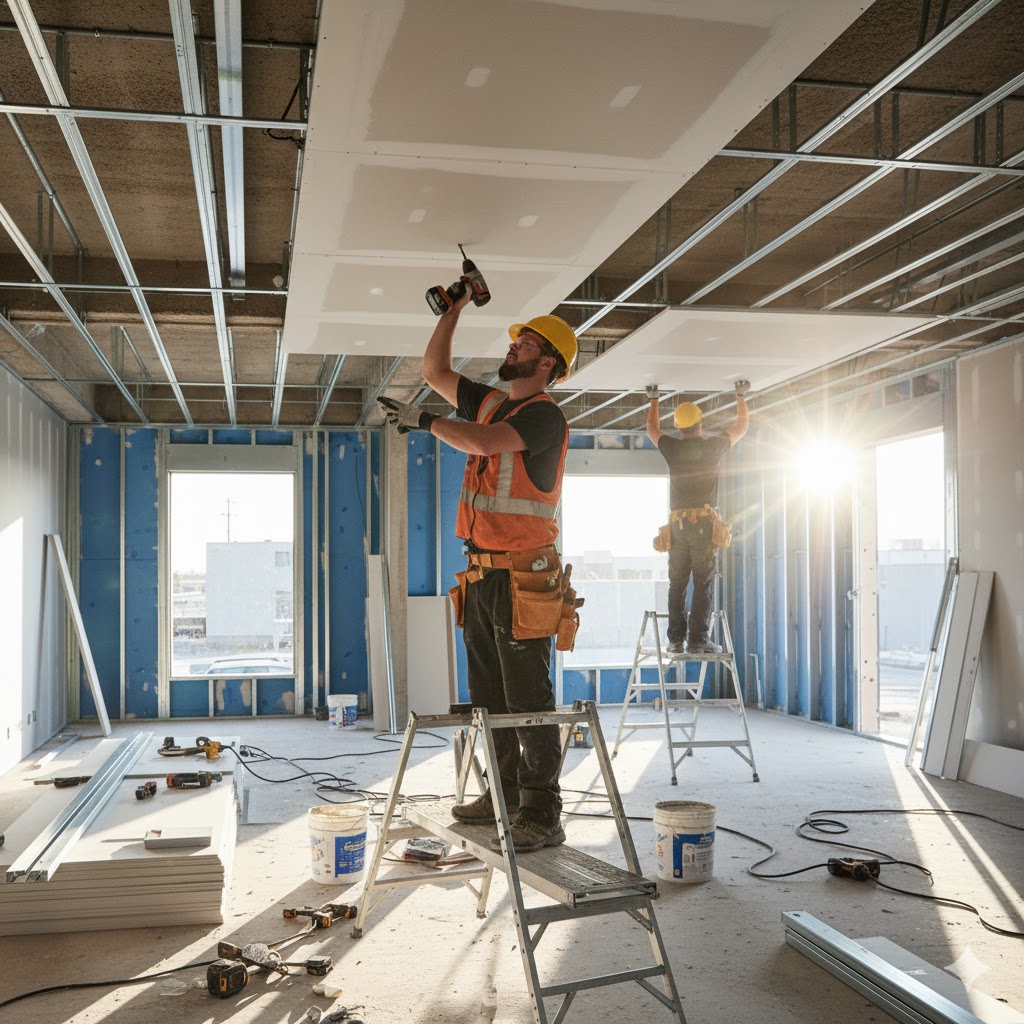
If you plan to install a Cone Beam CT (CBCT) or Panoramic X-Ray, standard drywall is insufficient. You must hire a Certified Radiation Equipment Safety Officer (CRESO) to design a shielding plan. This often requires lead-lined drywall or specific lead-equivalence in the walls surrounding the machine.
The Amalgam Separator (DEP)
New York City law strictly mandates the installation of Amalgam Separators to prevent mercury from entering the public sewer system. You must file specific forms with the DEP verifying this installation before you can operate.
Use our Dental Project Manager to calculate costs:
DENTAL MGR⏳ Dental Build-out Timeline
Permits & Soft Costs
📝 Site Log
📞 Contacts
Interactive Tool: Track Chairs, Plumbing, and Permits.
Phase 2: The Physical Build (Hard Costs)
Dental construction costs in NYC range from $300 to $600 per square foot due to the density of plumbing required.
Plumbing & Medical Gas
The “Mechanical Room” is the heart of the practice. It houses the Vacuum Pump (wet or dry) and the Medical Air Compressor.
- Vacuum Lines: Must be pitched correctly to avoid clogging.
- Nitrous Oxide: Storing and piping N2O requires a specific permit from the FDNY and distinct alarm systems.
- Water Lines: Must be run to every chair (the umbilical) and the sterilization center.
Electrical & Imaging
Digital dentistry requires robust IT. Cat6a cabling should be run to every operatory for instant transmission of intraoral X-rays to the server. Additionally, Panorex/CBCT machines often require dedicated 220v circuits.
Phase 3: Sterilization & Workflow
The flow from “Dirty” to “Clean” in your sterilization center must be clearly defined to meet OSHA and CDC guidelines. This usually involves a linear workflow: Receiving (Biohazard) → Ultrasonic Cleaning → Packaging → Autoclaving → Storage.
Official Resources & Authorities
NYC’s Top 15 Private Wealth Management Firms



2 Comments